
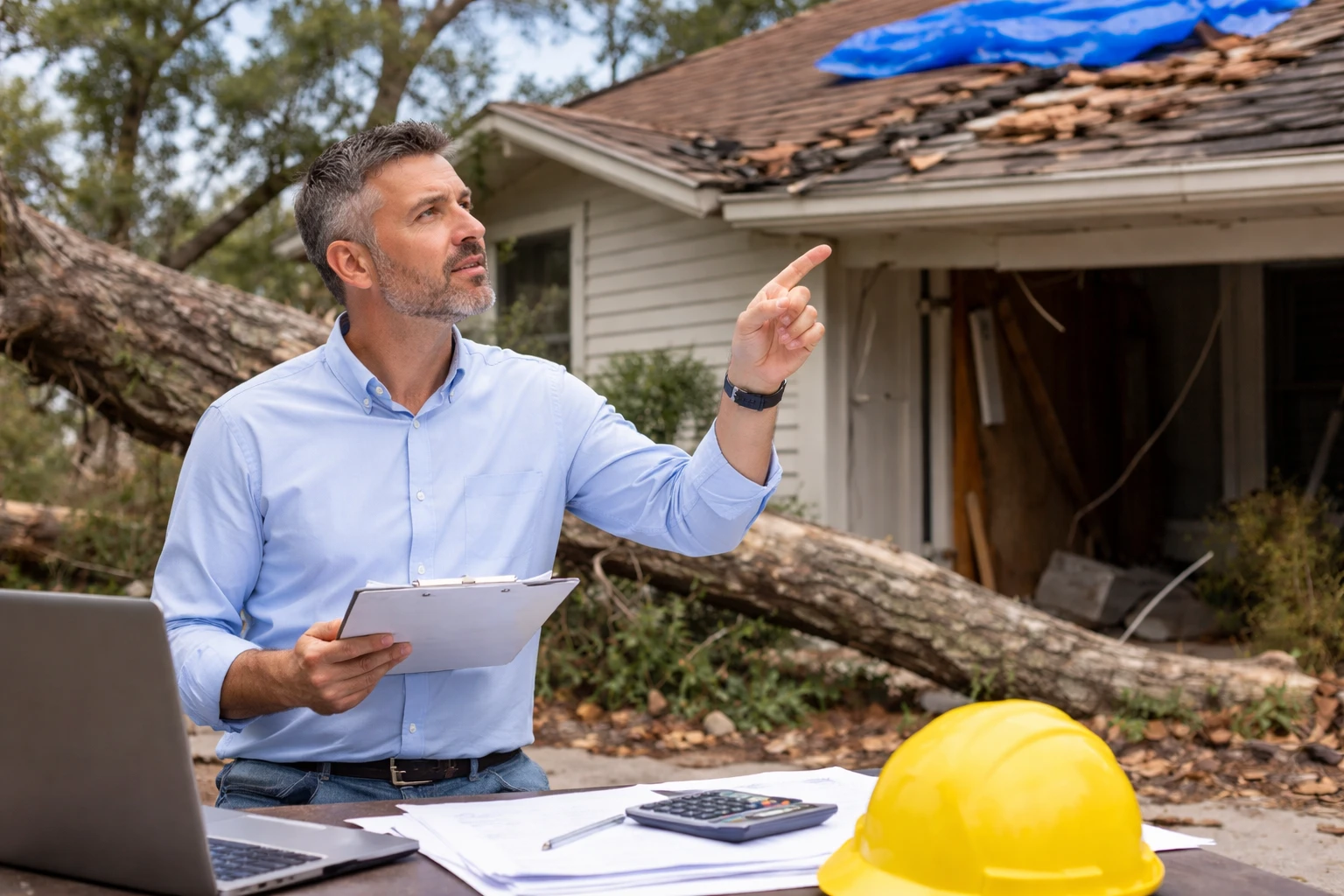
Property damage rarely arrives quietly. One moment everything feels normal. The next moment you’re staring at a leaking ceiling, broken roof shingles, or soaked floors after a storm. Suddenly the question hits: do I need a public adjuster to deal with this insurance claim?
It’s a fair question. Insurance claims can feel confusing, slow, and sometimes frustrating. Homeowners often expect a simple process. File a claim. Receive a fair payment. Fix the damage. Done.
Reality, however, is often more complicated.
Repair estimates vary. Insurance policies contain complex language. Damage may be overlooked. And sometimes settlement offers come in lower than expected. That’s when many homeowners begin to seriously ask themselves, do I need a public adjuster to help handle the situation?
In this guide, we’ll walk through the insurance claim process, the role of public adjusters, and how to decide if hiring one makes sense for your specific situation—especially for homeowners in Pearland and nearby areas.
Understanding What a Public Adjuster Does
Before deciding do I need a public adjuster, it helps to understand what the role actually involves.
A public adjuster is a licensed professional who represents the policyholder, not the insurance company. Their job is to help homeowners evaluate damage, prepare insurance claims, and negotiate fair settlements.
In other words, they work for you.
This is important because not all adjusters serve the same side.
Types of Adjusters You May Encounter
| Type of Adjuster | Who They Work For | Primary Role |
| Insurance Company Adjuster | Insurance company | Evaluates claim for insurer |
| Independent Adjuster | Insurance company (contract) | Handles claims on insurer’s behalf |
| Public Adjuster | Policyholder | Represents homeowner |
A public adjuster’s responsibility is to protect the interests of the policyholder.
Their work typically includes:
- Inspecting property damage
- Reviewing the insurance policy
- Documenting all losses
- Preparing detailed repair estimates
- Negotiating settlement amounts
- Managing claim communication
This level of involvement is why homeowners often ask, do I need a public adjuster, especially when damage is extensive or the claim becomes complicated.
The Insurance Claim Process Explained

Most homeowners only experience the insurance claim process once or twice in their lives. It’s not something people practice regularly.
But the process itself involves several steps.
Typical Claim Timeline
- Property damage occurs
- Homeowner files a claim
- Insurance company assigns an adjuster
- Property inspection takes place
- Damage estimate is prepared
- Settlement offer is issued
- Repairs begin
On paper, this looks straightforward. In reality, the process often contains challenges.
Some homeowners discover that repair estimates are lower than contractor quotes. Others realize certain damages were not included in the original inspection.
These situations often lead homeowners to ask again: do I need a public adjuster to ensure nothing is overlooked?
Where Insurance Claims Often Go Wrong
Not every claim runs smoothly. Several common issues can appear during the process.
1. Damage Is Underestimated
Insurance inspections may not always capture the full scope of damage. Hidden structural issues, water intrusion, or roof damage may go unnoticed during initial assessments.
2. Settlement Offers Are Lower Than Expected
Sometimes the first insurance payment does not cover full repair costs. This can happen due to pricing assumptions or missing damage items.
3. Insurance Language Is Confusing
Policies contain detailed terms that define coverage, exclusions, and depreciation. Understanding them can be difficult.
If you’ve ever read through an insurance policy, you know how technical it can sound. The structure of legal documents often reflects a type of linguistic complexity sometimes studied in fields like semiotics, which explores how meaning is constructed through symbols and language.
4. Claim Delays
Back-and-forth communication, additional inspections, or documentation requests can slow down the process.
When these problems arise, homeowners frequently return to the same question: do I need a public adjuster to help navigate the claim?
Situations Where You Might Need a Public Adjuster
Not every claim requires outside help. But certain situations increase the value of professional representation.
Major Property Damage
Large-scale damage often involves many repair components.
Examples include:
- Fire damage
- Hurricane damage
- Severe roof damage
- Flood or water intrusion
- Structural damage
Large claims often require detailed documentation and multiple contractor estimates.
This is one of the most common scenarios where homeowners ask, do I need a public adjuster.
Complex Insurance Claims
Claims can become complex when multiple systems are affected.
For example:
- Roof damage leads to attic moisture
- Water leaks damage flooring and drywall
- Electrical systems are affected
Each layer of damage requires evaluation.
Public adjusters help ensure every part of the loss is documented properly.
When the Settlement Seems Too Low
This happens more often than many homeowners expect.
If contractor estimates significantly exceed the insurance settlement, a public adjuster may review the claim and identify missing damage items.
When a Claim Is Denied
Claim denials can occur for several reasons:
- Insufficient documentation
- Coverage disputes
- Policy exclusions
Public adjusters may help homeowners review the decision and determine whether the claim can be reopened or supplemented.
When You Simply Don’t Have Time
Insurance claims require:
- Phone calls
- Inspections
- Paperwork
- Contractor coordination
For busy homeowners, managing the entire process can be overwhelming.
This is another reason people ask, do I need a public adjuster to handle the work.
Situations Where You May Not Need a Public Adjuster

While public adjusters provide valuable services, they aren’t necessary for every claim.
Minor Damage Claims
Small repairs may not justify professional assistance.
Examples include:
- Minor plumbing leaks
- Small roof patch repairs
- Cosmetic damage
These claims are typically straightforward.
When the Insurance Process Is Smooth
If the insurance company:
- Communicates clearly
- Provides fair estimates
- Processes the claim quickly
then additional help may not be required.
When Homeowners Feel Comfortable Managing the Claim
Some homeowners prefer handling claims themselves.
They may have experience with construction, insurance policies, or contractor coordination.
In these cases, the answer to do I need a public adjuster may simply be no.
Benefits of Hiring a Public Adjuster
For many homeowners, however, hiring a public adjuster can offer real advantages.
Professional Damage Assessment
Public adjusters perform detailed inspections and document every part of the loss.
This includes:
- Structural damage
- Hidden water damage
- Roofing issues
- Interior damage
Accurate documentation often strengthens the claim.
Stronger Negotiation
Public adjusters negotiate directly with insurance companies.
They understand how insurers calculate damage estimates and settlement values.
Time Savings
Handling an insurance claim can feel like a part-time job.
Public adjusters manage:
- Claim paperwork
- Inspections
- Communication
- Settlement discussions
Homeowners regain time and reduce stress.
Potentially Higher Settlements
Proper documentation often leads to more complete claim valuations.
While outcomes vary, professional claim preparation can improve the accuracy of settlements.
How Public Adjusters Get Paid
One reason many homeowners consider hiring help is the payment structure.
Public adjusters typically work on a contingency fee basis.
This means they are paid a percentage of the final claim settlement.
Typical Fee Range
| Claim Type | Typical Fee Range |
| Residential claims | 5% – 15% |
| Large claims | Lower percentages |
| Small claims | Higher percentages |
This structure aligns incentives.
If the claim settlement increases, the adjuster’s fee increases as well.
Questions to Ask Yourself Before Hiring One
Still wondering do I need a public adjuster?
These questions can help clarify the decision.
- Is the property damage extensive?
- Does the claim involve multiple repair areas?
- Is the insurance settlement lower than contractor estimates?
- Has the claim been delayed or denied?
- Do you feel overwhelmed by the process?
If several answers are yes, professional assistance may be worth considering.
Quick Decision Guide
| Situation | Hiring a Public Adjuster |
| Major storm damage | Strongly consider |
| Insurance dispute | Recommended |
| Complex structural damage | Recommended |
| Minor repair claim | Usually unnecessary |
| Smooth claim process | Not needed |
Choosing the Right Public Adjuster in Pearland
If you decide the answer to do I need a public adjuster is yes, choosing the right professional matters.
Verify Licensing
Public adjusters must be licensed to operate in Texas.
Always confirm credentials before signing a contract.
Look for Local Experience
Pearland homeowners face unique risks such as:
- Hurricanes
- Heavy storms
- Wind damage
- Flooding
Adjusters familiar with local claim patterns may provide valuable insight.
Ask About Claim Experience
Experience matters.
Ask potential adjusters about:
- Similar claims handled
- Settlement outcomes
- negotiation strategies
Review Client Feedback
Testimonials and online reviews can provide helpful perspective on how the adjuster communicates and handles claims.
Understand the Agreement
Before hiring anyone, review the contract carefully.
Confirm:
- Fee percentage
- Scope of services
- Claim responsibilities
Transparency is important.
Why Pearland Homeowners Often Seek Public Adjusters
Pearland sits in a region where weather events can create sudden property damage.
Homeowners frequently face:
- Strong storms
- Heavy rainfall
- Wind-driven roof damage
- Flooding events
When these events occur, insurance claims may involve several types of damage at once.
Roof damage can lead to water intrusion. Water intrusion can damage flooring, insulation, and electrical systems.
Claims become layered.
That complexity is why homeowners often revisit the question: do I need a public adjuster to help manage the claim properly?
Final Thoughts
Insurance claims can feel overwhelming. Especially when your home—the place you rely on every day—has been damaged.
The truth is simple.
Sometimes homeowners can handle claims themselves. Other times, professional help makes the process easier and more effective.
If damage is minor and the insurance process runs smoothly, you may not need outside assistance.
But when claims grow complicated, settlements appear low, or documentation becomes difficult, hiring a professional advocate can make a real difference.
So when the question arises—do I need a public adjuster—the answer depends on the scale of damage, the complexity of the claim, and how comfortable you feel managing negotiations with the insurance company.
For many Pearland homeowners dealing with serious property damage, having an experienced professional on their side can bring clarity, organization, and peace of mind.
And sometimes, that’s exactly what a complicated insurance claim needs.
FAQs
A public adjuster represents the homeowner during an insurance claim by evaluating damage, preparing documentation, and negotiating with the insurance company for a fair settlement.
No, not every claim requires one; minor or straightforward claims are often handled easily without professional assistance.
You should consider hiring one when damage is extensive, the claim is complex, the settlement seems too low, or the claim has been delayed or denied.
Most public adjusters charge a contingency fee that typically ranges from about 5% to 15% of the final insurance settlement.
While results vary, public adjusters often help ensure all damages are documented properly, which can lead to more accurate claim evaluations.
In some cases, yes. A public adjuster can review the denial, gather additional documentation, and help pursue a supplemental or reopened claim if appropriate.
Yes, public adjusters must be licensed by the state in which they operate, and homeowners should always verify credentials before hiring one.
Not necessarily; in many cases, public adjusters help organize documentation and communication, which can make the process smoother.
Yes, homeowners can bring in a public adjuster at any stage of the claims process, even after the insurance company has issued an initial estimate.
If the claim feels complicated, the settlement seems unfair, or managing the process becomes overwhelming, consulting a public adjuster may be worth considering.